Revenue Glyph Icon: A Practical Asset for Modern Design
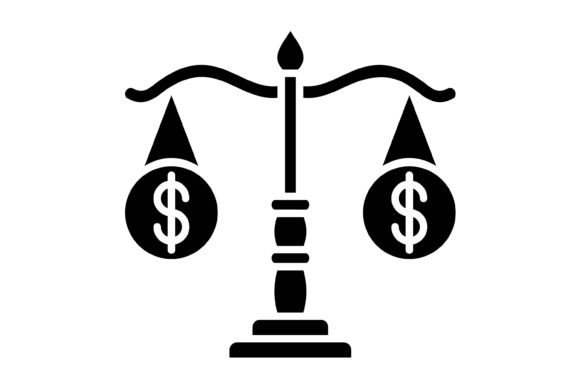
In the toolkit of a designer, entrepreneur, or content creator, the right visual element can communicate an idea faster than paragraphs of text. The Revenue Glyph Icon is one such asset. It’s not a font in the traditional typographic sense, but a specialized icon set designed to represent concepts of growth, finance, and commerce with immediate clarity. Visually, it presents as a clean, modern glyph icon set. Each symbol is crafted with sharp lines, balanced negative space, and a consistent geometric foundation, giving it a professional and approachable personality. The style leans towards a versatile sans-serif aesthetic, ensuring it feels contemporary without being trendy, making it suitable for a wide range of applications.
Where This Icon Set Truly Shines
The real value of a resource like the Revenue Glyph Icon lies in its adaptability across different mediums. For digital creators, it’s a powerhouse. Imagine enhancing your website's blog posts about financial planning, e-commerce growth, or SaaS metrics with a crisp, relevant icon next to each key point. In mobile app design, these glyphs can serve as intuitive navigation icons for sections like "Dashboard," "Reports," or "Subscriptions," improving user experience through visual cues. Social media managers can use them to create standout graphics for infographics, carousel posts, or story highlights that discuss revenue streams, profit margins, or investment strategies.
Beyond the screen, the applications extend into print and branding. A small business owner could incorporate these icons into their brand identity materials—think business cards, presentation templates, or product packaging. For a financial consultant or a fintech startup, using the Revenue Glyph Icon in logo design elements or editorial design for reports and whitepapers adds a layer of specialized professionalism. The key is that these icons act as a visual shorthand, instantly conveying the core theme of your project without relying on generic clip art.
Integrating Glyphs into Your Visual Hierarchy
Effective design is about guiding the viewer's eye and making information digestible. The Revenue Glyph Icon set contributes directly to this. When used strategically, these icons can anchor headlines, break up dense blocks of text, and create clear visual pathways in your layouts. For instance, in a presentation slide, placing a relevant icon next to a statistic about year-over-year growth doesn’t just decorate the slide; it reinforces the message and aids in audience retention. In web design, icons placed beside call-to-action buttons or feature lists can significantly improve scannability and engagement.
Their influence on brand perception is subtle but important. Consistently using a cohesive, well-designed icon set like this across all touchpoints—from your website to your invoices—builds a sense of reliability and attention to detail. It signals that you value clear communication and professional aesthetics, which can positively influence how clients and customers perceive your business's competence and modernity.
Practical Guidance for Using the Revenue Glyph Icon
Before diving into a project, consider the specific context. The strength of the Revenue Glyph Icon is its thematic focus. It’s perfect for projects related to business, finance, analytics, and growth. For a craft blog or a personal hobby site, a different, more general icon set might be a better fit. Evaluate the visual tone of your project. The clean, geometric style of these icons pairs well with modern, minimalist, and corporate designs. They might clash with highly ornate, vintage, or heavily textured styles.
When it comes to font pairing, think of these icons as complementary visual elements rather than typographic partners. They work harmoniously with both serif fonts and sans-serif fonts. For a professional report, pair them with a classic serif like Garamond for body text. For a sleek website, use them alongside a geometric sans-serif like Poppins. The icons themselves are neutral enough to adapt. A crucial step is to test the icons in your actual design mockups. Check their scale relative to your text, ensure they have enough breathing room (padding), and verify that their visual weight feels balanced within your composition.
The file formats included—AI, EPS, JPG, PNG, and SVG—cover virtually every need. The vector formats (AI, EPS, SVG) are essential for any work that requires scaling, editing colors, or integrating into professional design software like Adobe Illustrator. The PNG files with transparent backgrounds are perfect for quick use in presentations, social media graphics, or website content management systems. The JPG versions can be useful for contexts where transparency isn't needed and a smaller file size is prioritized. Always check the licensing to ensure it covers your intended use, whether for personal projects, client work, or commercial products.
Ultimately, the Revenue Glyph Icon is a specialized tool. It’s not about replacing every icon in your library, but about having a high-quality, cohesive set ready for the specific challenge of visually communicating financial and growth-related ideas. By integrating it thoughtfully, you can elevate the clarity, professionalism, and visual appeal of your work, making complex concepts more accessible and engaging for your audience.